

From Design To Distribution: How Custom Lotion Tubes Help Brands Stand Out in A Competitive Market
Views: 0 Author: Site Editor Publish Time: 2025-10-24 Origin: Site


In today's competitive skincare market, standing out is more crucial than ever for brands looking to capture consumer attention. Custom lotion tubes offer a unique blend of functionality and aesthetic appeal, allowing companies to express their brand identity while meeting the diverse needs of their products. From innovative designs to sustainable materials, these packaging solutions not only protect and preserve the product but also enhance the overall consumer experience. This article explores how custom lotion tubes can elevate a brand's presence in the marketplace, driving differentiation and engagement from design to distribution.
Understanding Custom Lotion Tubes
Custom lotion tubes are flexible containers designed specifically for lotions, creams, and similar products. They come in various types, materials, and styles, each suited to different product needs and branding goals.
Definition and Types of Lotion Tubes
Lotion tubes generally fall into several categories:
● Squeeze Tubes: The most common type, made from flexible plastics like LDPE or HDPE. They allow easy dispensing by squeezing and are ideal for everyday lotions, creams, and gels.
● Laminated Tubes: Made from layers of plastic and aluminum, these provide excellent protection against oxygen and light, perfect for sensitive or medicated formulas.
● Airless Pump Tubes: Combine a flexible tube with an airless pump mechanism to dispense product hygienically without air exposure, extending shelf life for premium lotions and serums.
● Twist-up Tubes: More rigid, designed for solid or semi-solid products like balms or body butters. Twisting the base pushes the product out, enabling mess-free application.
● Eco-friendly Tubes: Crafted from biodegradable or plant-based materials such as sugarcane bio-PE, these tubes appeal to eco-conscious consumers looking for sustainable packaging.
● Specialty Applicator Tubes: Feature tips like rollers, brushes, or needles for precision application, commonly used in spot treatments or medicated creams.
● Irregular-Shaped Tubes: Custom-shaped tubes designed to stand out visually on shelves, offering unique brand expression.
Materials Used in Lotion Tube Manufacturing
Material choice impacts functionality, appearance, and environmental footprint:
● LDPE (Low-Density Polyethylene): Flexible, lightweight, chemical-resistant, and recyclable. It’s the go-to for standard squeeze tubes.
● HDPE (High-Density Polyethylene): More rigid and robust than LDPE, suited for larger tubes or products needing structure.
● PP (Polypropylene): Offers heat resistance and a glossy finish, often used for premium packaging.
● Laminates (Plastic/Aluminum): Multi-layered materials providing superior barrier protection against light and oxygen.
● Bio-based Plastics: Derived from renewable resources like sugarcane, these materials reduce environmental impact while maintaining performance.
Benefits of Using Custom Lotion Tubes for Branding
Custom lotion tubes offer several advantages for brands:
● Differentiation: Unique shapes, colors, and finishes help products stand out on crowded shelves.
● Brand Identity: Custom printing and surface finishes reinforce brand aesthetics and messaging.
● Enhanced User Experience: Tailored sizes and dispensing mechanisms improve convenience and satisfaction.
● Product Protection: Material and design choices preserve product integrity, extending shelf life.
● Sustainability Appeal: Eco-friendly materials resonate with environmentally conscious consumers.
● Marketing Opportunities: Distinctive packaging can boost social media visibility and customer engagement.
By selecting the right type, material, and customization options, brands create packaging that not only protects but also promotes their products effectively.
When choosing lotion tube materials, balance durability and eco-friendliness to meet both product protection needs and growing consumer demand for sustainable packaging.
Designing Custom Lotion Tubes
Key Design Elements for Standout Packaging
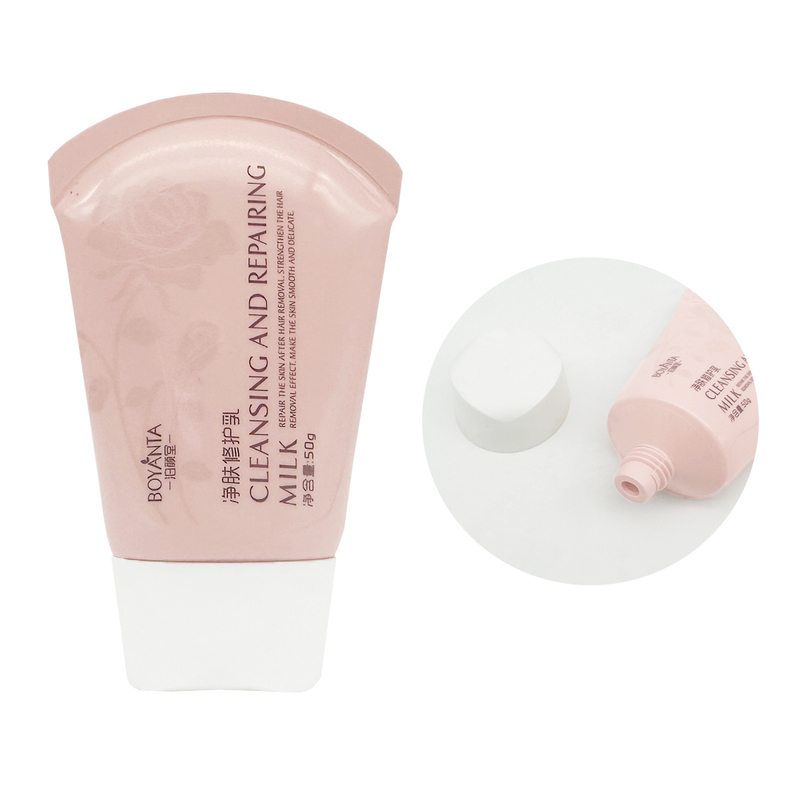
Creating lotion tubes that catch the eye requires attention to several design elements. First, shape plays a crucial role. Unique contours or irregular shapes can break the monotony of traditional tubes, making the product more memorable on crowded shelves. For example, oval or flat tubes stand out compared to common round squeeze tubes.
Typography and graphics also matter. Bold, clear fonts with minimal clutter help communicate the brand message quickly. Graphics should be visually appealing but not overpower the product information. Using high-quality printing techniques like offset or digital printing ensures sharp, vibrant images and logos.
Surface finishes add another layer of appeal. Matte coatings create a sophisticated, soft touch feel, while glossy finishes make colors pop under store lighting. Spot UV or foil stamping can highlight logos or key design elements, adding a premium look.
Incorporating Brand Identity into Lotion Tube Design
Your lotion tube design should reflect your brand’s personality and values. Start by aligning the design style with your overall brand identity—whether it’s luxury, natural, youthful, or clinical. Consistent use of logos, taglines, and brand fonts helps reinforce recognition.
Consider how the packaging tells your brand story. For example, a natural skincare line might use earth tones and organic textures, while a high-tech brand might choose sleek, minimalist designs with metallic accents. Custom caps and tube shapes can also echo brand themes, such as eco-friendly tubes for sustainable brands or airless pumps for premium, preservative-free products.
Brand identity integration extends to messaging on the tube. Short, meaningful phrases or benefits can connect emotionally with customers, making the packaging not just functional but part of the brand experience.
Choosing the Right Color Palette and Finishes
Color is often the first thing customers notice. Selecting a palette that aligns with your brand and appeals to your target audience is essential. Soft pastels like lavender, mint, or blush pink suit gentle, wellness-focused products. Neutral tones like beige, white, or gray convey simplicity and elegance. Bright colors such as coral, cobalt, or lime green attract younger, trend-conscious shoppers.
Finishes enhance color impact and tactile experience. Matte finishes offer understated elegance and reduce glare, perfect for luxury or natural brands. Glossy finishes make colors vivid and eye-catching, ideal for bold, youthful lines. Soft-touch coatings add a velvety feel that customers love to hold, improving perceived value.
For added flair, metallic foil or spot UV highlights create contrast and draw attention to logos or product names. These finishes can elevate basic tubes into Instagram-worthy packaging, boosting social media appeal and brand visibility.
When designing lotion tubes, ensure color choices and finishes complement each other to create a cohesive, attractive package that resonates with your target market and enhances shelf presence.
Functionality and User Experience
Ergonomic designs for easy handling and dispensing
Ergonomic lotion tubes make a big difference in how customers interact with your product. They are shaped for a comfortable grip, allowing easy squeezing without straining the hand. This is especially important for users with limited hand strength or arthritis. An ergonomic tube ensures precise control over how much lotion comes out, reducing waste and mess. For example, tubes with a soft, flexible body and a contoured shape fit naturally in the palm, making daily use effortless. Brands that prioritize ergonomic design show they care about customer convenience, which builds loyalty and positive reviews.
Importance of tamper-evident and child-resistant features
Safety features like tamper-evident seals and child-resistant caps are essential for protecting both your product and consumers. Tamper-evident seals provide visible proof if the package has been opened before purchase, boosting consumer confidence. Child-resistant caps prevent accidental ingestion or misuse, especially important for lotions containing active ingredients or medicinal properties. These features not only comply with regulatory requirements but also elevate your brand’s trustworthiness. For instance, a twist-open cap with a tamper-evident ring offers a secure closure that’s easy for adults to open but difficult for children. Including these safety details signals quality and responsibility in a competitive market.
Enhancing consumer trust with transparent windows
Transparent windows in lotion tubes allow customers to see the product inside, which enhances trust and transparency. When consumers can view the lotion’s color, texture, and remaining quantity, they feel more confident about their purchase. This visibility reduces hesitation, especially for new or premium products. Transparent accents also encourage consumers to use the product fully, minimizing waste. For example, a small clear strip running vertically along the tube lets users track how much lotion remains without opening the package. This feature appeals to eco-conscious buyers and improves overall user satisfaction. Incorporating transparent windows combines aesthetics with practical benefits, strengthening brand reputation.
Incorporate ergonomic shapes, tamper-evident seals, and transparent windows in lotion tubes to boost usability, safety, and consumer trust, helping your brand stand out.
Sustainability in Lotion Tube Packaging
Eco-friendly materials and their benefits
Eco-friendly lotion tubes use materials that reduce environmental impact without sacrificing quality. Common options include bio-based plastics like sugarcane-derived bio-PE and biodegradable polymers. These materials break down more easily in nature or can be recycled more efficiently than traditional plastics. Using eco-friendly materials helps brands appeal to green-conscious consumers, who increasingly prefer products that align with their values.
Benefits of eco-friendly materials include:
● Lower carbon footprint during production
● Reduced plastic waste in landfills and oceans
● Compliance with emerging environmental regulations
● Enhanced brand reputation and consumer loyalty
For example, sugarcane bio-PE tubes offer the same flexibility and durability as conventional polyethylene but come from renewable resources. This switch not only supports sustainability but also differentiates a brand in a crowded market.
Trends in biodegradable and recyclable packaging
Biodegradable and recyclable packaging is gaining traction as consumers demand greener choices. Many brands now opt for tubes that can either compost in industrial facilities or be recycled through existing waste streams.
Key trends include:
● Biodegradable tubes: Made from materials like polylactic acid (PLA) or other compostable bioplastics, these tubes decompose under specific conditions, reducing long-term waste.
● Recyclable plastics: LDPE and HDPE tubes are recyclable where facilities exist. Brands are designing tubes with fewer layers and avoiding laminates to improve recyclability.
● Mono-material construction: Tubes made entirely from one type of plastic simplify recycling and reduce contamination risks.
Some companies also provide clear recycling instructions on packaging to encourage proper disposal, boosting recycling rates.
Implementing refillable and reuse programs
Refillable and reuse programs represent a bold step toward circular packaging. Brands provide durable lotion tubes designed for multiple uses and offer refills in minimal or bulk packaging. This approach cuts down single-use plastic and builds stronger customer relationships.
Ways to implement these programs:
● Offer refill pouches or bottles compatible with the original tube
● Design tubes with sturdy materials that withstand repeated use
● Create incentives for customers to return or refill tubes, such as discounts or loyalty points
● Partner with retailers or salons to provide refill stations
Refillable packaging appeals to eco-conscious consumers and can position a brand as a sustainability leader. It also encourages repeat purchases and long-term engagement.
Choose eco-friendly lotion tube materials and design for recyclability or refillability to meet rising consumer demand and future-proof your brand in a sustainability-focused market.
Innovative Features and Emerging Trends
Airless Pump Technology for Product Preservation
Airless pump technology is a game-changer for lotion tube packaging. It uses a vacuum mechanism to dispense product without letting air back inside. This prevents oxidation and contamination, which helps keep lotions fresh longer. For sensitive formulas like serums or natural products without preservatives, airless tubes extend shelf life and maintain product integrity. Customers appreciate the hygienic dispensing and precise dosing, which reduces waste. Brands using airless pumps position themselves as premium and innovative, appealing to discerning consumers who want quality and safety in skincare.
Smart Packaging Solutions with Digital Features
Smart packaging is an emerging trend that adds digital layers to lotion tubes. Features like QR codes, NFC tags, or augmented reality (AR) can connect customers to product info, tutorials, or authenticity verification via smartphones. This tech boosts engagement and builds trust by offering transparency and interactive experiences. For example, scanning a QR code might show ingredient sourcing or how-to-use videos, enhancing brand storytelling. Some brands use smart packaging to combat counterfeiting, ensuring customers get genuine products. These digital tools differentiate products in a crowded market and encourage repeat purchases by deepening customer relationships.
Customization Options for Unique Brand Storytelling
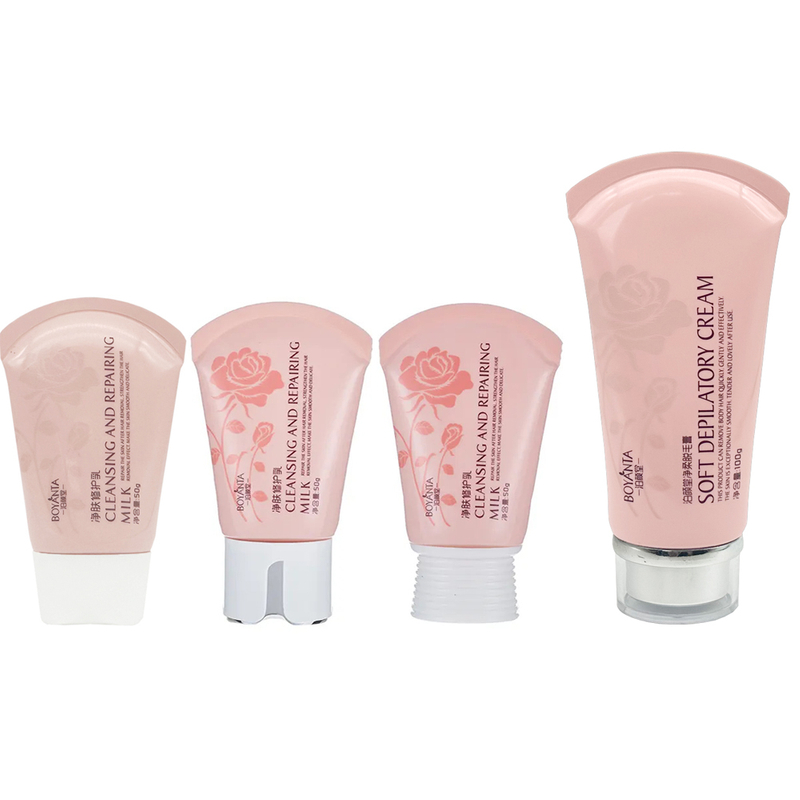
Customization goes beyond colors and logos. Brands now tailor lotion tubes through shape, texture, finishes, and applicators to tell their story uniquely. Custom molds create distinctive shapes that stand out on shelves and social media. Textured surfaces or soft-touch coatings add sensory appeal, making the product memorable to touch. Special caps like rollers or brushes target specific uses, enhancing functionality and reinforcing brand identity. Foil stamping or spot UV highlights add luxury and visual interest. These personalized touches help brands connect emotionally with customers, making packaging part of the overall brand experience.
Incorporate airless pumps, smart digital features, and tactile customizations in lotion tubes to elevate product preservation, consumer engagement, and brand storytelling in competitive skincare markets.
Distribution and Market Strategy
Choosing the Right Wholesale and Custom Manufacturing Partners
Selecting the best manufacturing partner is crucial for success. Wholesale suppliers offer ready-made lotion tubes, ideal for startups or brands needing quick turnaround and lower minimum order quantities (MOQs). They provide cost-effective solutions but limit customization options.
Custom manufacturers enable deeper brand expression through unique shapes, colors, finishes, and printing techniques. However, they often require higher MOQs and longer lead times. Brands must balance budget, timeline, and design ambitions when choosing between wholesale and custom options.
Look for partners with proven expertise in lotion tube packaging, reliable quality control, and flexible production capabilities. Consider their ability to advise on materials, sustainability, and regulatory compliance. Strong communication and after-sales support also matter for smooth collaboration.
Evaluating Minimum Order Quantities and Pricing
MOQs vary widely across suppliers. Wholesale providers may accept small batches (hundreds to low thousands), fitting smaller brands or limited runs. Custom manufacturers typically require larger MOQs (often 5,000 units or more) to justify tooling and setup costs.
Pricing depends on materials, tube size, design complexity, and finishing options. Basic squeeze tubes cost less than airless pumps or tubes with specialty caps. Adding premium finishes like foil stamping or spot UV increases unit cost.
Brands should calculate total cost per unit, including shipping and any import duties. Also, factor in potential waste from over-ordering due to MOQs. Negotiating with suppliers on MOQs or pricing tiers can help optimize investment.
Strategies for Entering and Thriving in a Competitive Market
To stand out, brands must combine innovative packaging with smart distribution. Start by defining your target audience and tailoring tube design to their preferences and values, such as sustainability or luxury.
Leverage packaging as a marketing tool. Use distinctive shapes, colors, and finishes that attract attention on shelves and online. Highlight functional features like tamper-evident seals or ergonomic designs that improve user experience.
Develop strong partnerships with reliable distributors and retailers who understand your brand vision. Consider multichannel approaches, including e-commerce, specialty stores, and salons.
Invest in storytelling around your packaging’s unique features and sustainability efforts. Digital tools like QR codes or social media campaigns can boost engagement and customer loyalty.
Monitor market trends and competitor moves to adapt your strategy proactively. Continuous innovation in packaging and distribution keeps your brand relevant and competitive.
When selecting lotion tube suppliers, weigh customization needs against MOQs and pricing, ensuring your packaging investment aligns with your brand’s growth and market entry goals.
Conclusion
Custom lotion tubes offer numerous benefits, such as differentiation, brand identity reinforcement, and enhanced user experience. In the competitive skincare market, innovative packaging helps brands stand out by attracting attention and building consumer trust. Investing in unique packaging solutions is crucial for brands aiming to elevate their market presence. Yangzhou Hongyutai International Trade Co., Ltd. provides custom lotion tubes that combine quality and creativity, offering brands a valuable opportunity to enhance their product appeal and sustainability efforts.
FAQ
Q: What are lotion tubes, and how do they differ from other packaging?
A: Lotion tubes are flexible containers designed for lotions and creams. They differ from other packaging by offering various types like squeeze, laminated, airless pump, and eco-friendly tubes, each catering to specific product needs and branding.
Q: How do custom lotion tubes benefit a brand?
A: Custom lotion tubes enhance brand differentiation through unique designs, improve product protection, and offer sustainability options. They also boost consumer engagement with innovative features like ergonomic designs and transparent windows.
Q: Why choose eco-friendly lotion tubes?
A: Eco-friendly lotion tubes reduce environmental impact, appeal to green-conscious consumers, and comply with environmental regulations. They offer benefits like lower carbon footprints and reduced plastic waste, enhancing brand reputation.
Q: What is the cost of custom lotion tubes?
A: The cost of custom lotion tubes varies based on materials, design complexity, and finishes. Basic squeeze tubes are cheaper, while premium features increase costs. Wholesale options may have lower prices but limit customization.