

Why Laminate Tubes Are The Trending Packaging Solution for Hand Cream Products
Views: 0 Author: Site Editor Publish Time: 2025-12-04 Origin: Site


Is your hand cream packaging still holding you back? Many brands now rethink how they present care essentials. The market grows fast and competition feels intense. Traditional jars fail modern demands. Laminate tubes for hand cream offer a smarter solution.
They balance protection, design, and sustainability goals. They help brands move beyond basic plastic tubes. In this article, you will explore why laminate tubes lead. You will learn how they boost performance and brand impact. We explain trends, benefits, and future direction clearly.
Key Takeaways
Laminate tubes for hand cream combine protection, sustainability, and premium presentation into one efficient packaging system that meets modern consumer expectations.
They reduce contamination risks, improve shelf appeal, and extend product lifespan while supporting lightweight logistics and eco-friendly positioning.
Brands benefit from strong visual identity, flexible customization, and improved cost-performance balance compared to jars or basic tubes.
Continuous innovation in materials and design strengthens laminate tubes as the dominant packaging solution for hand care.
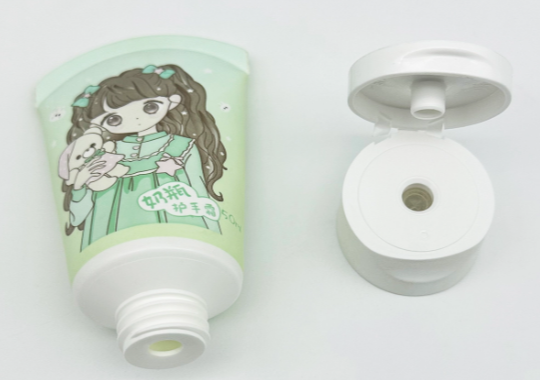
Why Laminate Tubes for Hand Cream Are Rapidly Gaining Market Momentum
Superior Barrier Performance for Hand Cream Formulations
Laminate tubes use layered protection systems that block oxygen, moisture, and harmful light exposure. This structure helps hand cream formulas remain stable for longer periods. Many formulations contain vitamins, natural oils, and active compounds that degrade easily when exposed to air. Laminate tubes limit oxidation and maintain texture consistency. They improve formula reliability across storage, transport, and retail display environments. Brands trust this structure to ensure their products stay effective until final use.
Enhanced Shelf Appeal and Premium Visual Branding
Retail success depends heavily on visual impact. Laminate tubes for hand cream offer high-definition surfaces that support vibrant printing, metallic sheens, and smooth matte finishes. These effects attract attention quickly and strengthen brand identity. The surface becomes a storytelling space for product benefits and brand emotion. This visual strength improves product recall and customer loyalty in crowded store shelves.
Lightweight Structure Supporting Logistics Efficiency
Laminate materials are lighter than glass or pure aluminum. This difference matters in large-scale distribution. Reduced weight lowers shipping costs and fuel consumption. It simplifies warehouse handling and optimizes packaging density per shipment. Brands benefit from operational efficiency and improved profitability through reduced transport expenses. It also supports sustainable logistics targets.
Consumer Demand for Hygienic & Precise Dispensing
Consumers now prioritize cleanliness. Laminate tubes minimize hand-to-product contact. Controlled squeezing delivers measured doses. This reduces waste and promotes hygienic usage habits. It enhances trust and repeat purchase intention.
Compatibility With Active and Sensitive Ingredients
Hand creams often include ingredients like retinol, shea butter, or essential oils. These components require stable storage environments. Laminate barriers offer reliable insulation. It prevents ingredient breakdown and preserves functional efficacy.
Alignment With Sustainability and Recyclability Goals
Modern laminate tubes include PBL and PCR content. These reduce environmental pressure. They align brands with sustainable commitments and consumer values. Laminate structures protect active hand cream ingredients effectively.
Functional Advantages of Laminate Tubes for Hand Cream Applications
Controlled Dispensing Reduces Product Waste
Laminate tubes offer precise flow control. Users can squeeze the exact amount needed. This avoids overuse and preserves product volume. It helps customers feel value satisfaction. Better control leads to longer product use cycles and improved customer perception.
Leak-Proof Performance for Travel & Daily Use
Their sealing strength prevents accidental leaks. They maintain closure integrity even during movement. This suits travel and daily commute scenarios. It improves convenience and reliability.
Shape Retention and Structural Durability
Laminate tubes maintain form better than aluminum. They bend less and recover shape slowly. This keeps shelf aesthetics clean and appealing. It also reinforces product quality perception.
Product Preservation and Extended Shelf Life
Stable micro-environments delay microbial contamination and texture changes. They preserve fragrance balance and moisture ratio. It extends expiration stability.Durable structure boosts packaging reliability perception.
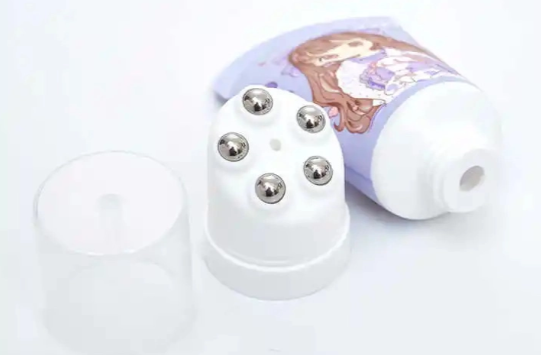
Sustainability Advantages of Laminate Tubes for Hand Cream
| Sustainability Feature | Practical Benefit | Impact Area |
|---|---|---|
| PBL Structure | Easier recycling | Environmental compliance |
| PCR Materials | Reduced virgin plastic use | Resource conservation |
| Lightweight Design | Lower shipping emissions | Carbon footprint |
| Mono-material Development | Simpler recycling stream | Circular economy |
Recyclable PBL Structures and Eco-Friendly Evolution
Plastic Barrier Laminate improves recyclability rate. It reduces aluminum reliance. This supports green product positioning. It strengthens sustainability messaging and enhances brand credibility. Manufacturers benefit from simpler processing, lower material complexity, and improved waste handling efficiency. Consumers recognize eco-friendly efforts, increasing trust, loyalty, and long-term purchasing confidence across competitive personal care markets.
Reduced Carbon Footprint Through Lightweight Design
Lightweight tubes generate lower transport emissions. This benefits eco-conscious brands and reduces logistic strain. They also improve shipment efficiency, cut fuel consumption, support sustainable distribution goals, and help companies align operations with environmental policies while strengthening brand image and long-term market responsibility leadership.
PCR Content Integration and Circular Economy Benefits
Using PCR materials reduces dependence on newly produced plastics and supports responsible resource management. This practice improves environmental performance, demonstrates long-term sustainability commitment, increases consumer trust, and reinforces brand reputation while helping companies stand out in competitive markets through verified eco-conscious positioning.
Compliance With Global Green Packaging Regulations
By aligning with constantly updated packaging regulations, laminate tubes help brands avoid legal complications and reduce compliance risks. They strengthen export capabilities by meeting international standards, ensuring smoother market access while reinforcing reliability, professional integrity, and long-term trust among distributors, regulators, and environmentally aware consumers.
Design Flexibility and Branding Power of Laminate Tubes for Hand Cream
High-Definition Printing and Decorative Customization
Laminate tube surfaces allow highly precise printing results, keeping fine details clear and visually consistent. This capability ensures smooth color transitions, sharp graphic lines, and professional typography that improve brand presentation while supporting strong visual coherence across different product lines and marketing channels.
Premium Effects: Metallic Finishes, Matte & Soft-Touch
Special finishing treatments provide a rich tactile experience that users notice immediately during handling. These surface effects elevate the sense of quality, enhance customer perception of exclusivity, and encourage deeper emotional interaction with the product through touch and visual appeal.
Differentiation Through Unique Cap Styles & Shapes
Personalized cap designs make application more convenient while reinforcing brand distinction. Thoughtful cap engineering supports practical use, strengthens visual identity, and helps brands communicate functionality clearly through smart structural design choices.
Visual Storytelling for Brand Identity Enhancement
Well-crafted design components convey emotional meaning and highlight product character. They transform packaging into a storytelling tool that connects with consumers, increases visual memorability, and improves shelf visibility by creating a strong and recognizable presence.
Comparison: Laminate Tubes vs Traditional Hand Cream Packaging
| Packaging Type | Weakness | Strength | Overall Performance |
|---|---|---|---|
| Plastic Jars | Contamination risk | Low cost | Low reliability |
| Standard Plastic Tubes | Weak barrier | Low price | Medium stability |
| Aluminum Tubes | Dents easily | Strong barrier | High cost |
| Laminate Tubes | Balanced design | Strong protection | High efficiency |
Laminate Tubes vs Plastic Jars
Repeated exposure to air and external contact in jar packaging increases contamination risk and reduces product freshness over time. Laminate tube structures create a sealed environment that protects the cream from harmful bacteria while maintaining formula stability and overall product integrity throughout its usage cycle.
Laminate Tubes vs Standard Plastic Tubes
Single-layer plastic tubes offer limited protection against moisture and oxygen penetration, which weakens long-term formula performance. Multi-layer laminate systems introduce advanced barrier protection that improves shielding efficiency, ensuring better preservation and consistent quality for sensitive hand cream compositions.
Laminate Tubes vs Aluminum Packaging
Pure aluminum packaging tends to dent and lose shape easily during handling and transport. Laminate construction combines structural flexibility with reinforced strength, allowing the tube to maintain its form while offering durability and improved resistance to external pressure.
Cost-to-Performance Ratio Evaluation
Laminate tube solutions provide strong return on investment by minimizing product loss and reducing material waste. Their durable design supports longer product life cycles, improves usage efficiency, and enhances overall cost-effectiveness for brands seeking sustainable packaging performance.
Key Considerations When Choosing Laminate Tubes for Hand Cream
Selecting Between PBL and ABL Structures
PBL structures suit brands focused on environmental positioning, while ABL options better protect highly sensitive formulations. The final selection should reflect product composition, performance requirements, and targeted market sustainability goals to ensure optimal packaging compatibility and brand alignment.
Matching Tube Material With Formula Sensitivity
Using appropriate barrier layers helps prevent ingredient interaction and chemical breakdown during storage. This approach ensures consistent product stability, maintains formula effectiveness, and supports reliable performance throughout the entire product lifecycle.
Balancing Aesthetics, Functionality, and Cost
Packaging design must remain consistent with overall brand strategy and visual direction. This alignment strengthens brand recognition, improves market positioning, and supports long-term growth by conveying a clear and cohesive identity.
Ensuring Compliance and Supplier Reliability
Packaging suppliers should comply with recognized certification and quality standards. This verification minimizes production risks, ensures material safety, and enhances supply chain reliability for stable and efficient manufacturing operations.
Future Trends Shaping Laminate Tubes for Hand Cream Packaging
| Emerging Trend | Purpose | Market Impact |
|---|---|---|
| Smart QR Codes | Digital engagement | Brand interaction |
| Mono-material Tubes | Recycling efficiency | Sustainability gain |
| Luxury Finish | Premium branding | Higher perceived value |
| Lightweight Manufacturing | Cost efficiency | Eco performance |
Growth of Mono-Material Recyclable Designs
Using simplified material structures increases recycling efficiency and supports smoother separation during processing. This approach strengthens waste management systems, reduces landfill pressure, improves material recovery rates, and helps brands contribute to a more organized and sustainable circular economy framework.
Smart Packaging Features and Interactive Printing
Integrated digital features create direct interaction between users and product information. They improve customer engagement by delivering usage guidance, brand storytelling, and traceability details, while enhancing transparency and reinforcing trust throughout the purchasing experience.
Increased Demand for Luxury Hand Cream Packaging
Modern consumers increasingly seek refined and premium sensory experiences. Laminate tubes fulfill these expectations by offering sophisticated finishes, elegant textures, and high-end visual appeal that elevate perceived product quality and luxury positioning.
Innovation in Eco-Conscious Production Techniques
Manufacturers now focus on energy-efficient production technologies to minimize operational impact. These improvements lower carbon emissions, reduce resource consumption, and help companies achieve sustainability targets while improving overall environmental performance.
Conclusion
Laminate tubes for hand cream blend protection, sustainability, and strong brand enhancement. They outperform jars through superior barriers, visual impact, and clean user experience. Brands gain cost efficiency and stronger market identity with this packaging choice. Consumers enjoy hygiene, precision, and higher satisfaction during daily use.
HONGYUTAI delivers laminate tube solutions with reliable sealing and premium design value. Their hand cream tubes support durability, visual appeal, and practical functionality. These features reinforce brand trust and elevate product performance perception.
FAQ
Q: What are Laminate tubes for hand cream?
A: Laminate tubes for hand cream protect formulas, support hygiene, and enhance premium branding.
Q: Why choose Laminate tubes for hand cream over jars?
A: Laminate tubes for hand cream reduce contamination and extend product stability.
Q: How do they improve user experience?
A: They allow controlled dispensing and cleaner daily use.
Q: Are Laminate tubes for hand cream sustainable?
A: Laminate tubes for hand cream use recyclable layers and lower emissions.
Q: Do they cost more than plastic tubes?
A: Prices stay balanced due to efficiency and durability.
Q: What issues can occur during use?
A: Rare leaks appear if caps seal poorly.